
A first visit to a recirculating workshop in Nansha is easier to use if the visitor already knows what they want to learn. Buyers and public agencies from Gulf countries and from Southeast Asia often arrive with the same broad hope — to see whether land-based, water-saving fish culture could make sense at home — and with very different water, energy, species, and rules. This article offers a first list of questions, and a few cautions, so that a trip is a comparison of two real places rather than a tour of a room.
PanPan Aqua is the public site of Guangzhou Nansha Zhihui Agricultural Technology Co., Ltd. The company operates a visitable workshop in a park whose experimental culture volume has been approved at about 50 tonnes a year. Interest in Gulf and Southeast Asian conversations is real. Completed projects in those regions are not claimed on this site, because none were found in the public record used to build it. The questions below respect that line.
Questions about purpose and scale
Why are you considering RAS at all? If the answer is water scarcity, say how scarce, and what a cubic metre already costs you in money and in permits. If the answer is food security, say who the fish are for, and whether a demonstration, a commercial farm, or a research hall is the real aim. If the answer is disease or effluent trouble in existing ponds, say so, because the design may then be a nursery or a relay, not a complete indoor grow-out.
What scale are you actually trying to understand? The Nansha workshop is a place to see practice at experimental scale, in a park that also includes research buildings still being built. It is not a stand-in for an 8,000-tonne salmon factory, and it is not automatically a template for a 1,000-tonne tilapia plant. If your political or commercial brief requires a large number, write that number down, and then ask, honestly, what a first, smaller step would be. Many failed RAS projects began at a scale that no local team had yet earned.
How will you explain the 50-tonne figure and the park’s published investment of about RMB 853 million to colleagues who did not travel with you? If you cannot keep those figures apart, you are not yet ready to report on the visit. This site keeps them apart for a reason, and your internal note should do the same.
Questions about water, climate, and energy
What water will you actually use — desalinated supply, a well, a river, treated wastewater — and what is its temperature, salinity, and variability through the year? A loop designed around a Nansha supply will not automatically accept a Gulf well or a monsoon river. Bring an analysis if you have one. If you do not, make obtaining one a condition of any later design talk.
How hot is your hottest ordinary week, and what does electricity cost in that week? Cooling and aeration will likely dominate a land-based plan in much of the Gulf, and in some lowland Southeast Asian sites. Ask in Nansha how temperature is held, and then rebuild the answer with your tariff and your climate. Do not leave the energy conversation for later. Later is when the concrete is already poured.
Where will discharge go? Even a tight recirculating loop produces sludge and a concentrated effluent. Your permit, your neighbours, and your soil will decide whether a fertilizer pathway, a wetland, or a sewer connection is even possible. The Nansha tailwater tender is a local project, with published daily loads, in which the company is the project owner. It is a useful example of the problem being taken seriously. It is not a pre-approved design for your site.
Questions about species, people, and tools
Which species will you really farm, and do you already know how to hatch or buy them? Warm-water species are a closer conversation to a southern Chinese workshop than Atlantic salmon would be. Mandarin fish research in Nansha is documented as a 2024 tender for external research support, not as a guaranteed export SKU. Tilapia, grouper, or a local fish may be more relevant to you. Name the animal, and ask only for what the team can honestly discuss.
Who will run the loop at night in your country? If the answer is not yet clear, a visit should include a long look at labour and training, not only at tanks. Skills in water chemistry, maintenance, and fish handling are the hidden import in many RAS plans. A demonstration workshop can show what those skills look like. It cannot post them to you.
If you are interested in Qiuhao microscopes or in the fishery management platform, say so in advance, and prepare questions that distinguish a China-only WeChat mini-program from anything that might one day be used in your office. Ask to see a real log and a real slide workflow. Treat company-stated identification figures as company-stated. Do not write them into a tender at home as if they were independently certified for your parasites and your laboratory.
What language will training and manuals need to be in, and what spare parts can you store locally? This site does not describe a documented overseas service network. The honest conversation is about what can be provided from Nansha and what cannot yet be promised at a distance. A Gulf or Southeast Asian buyer who needs on-site response times should say so, and should be prepared for an honest “not yet” or for a plan that includes local partners still to be found.
Questions about the trip itself
When can you spend enough time in the building to see a feeding, a filter clean, and a look at records, rather than a handshake and a corridor? Who on your side can interpret technical language? Have you read the address, and have you noted that a second correspondence address appears in some later tenders? Official telephone and email remain to be confirmed on this site; plan the invitation through channels that actually exist, and use the on-page form only to prepare a request you can copy or carry.
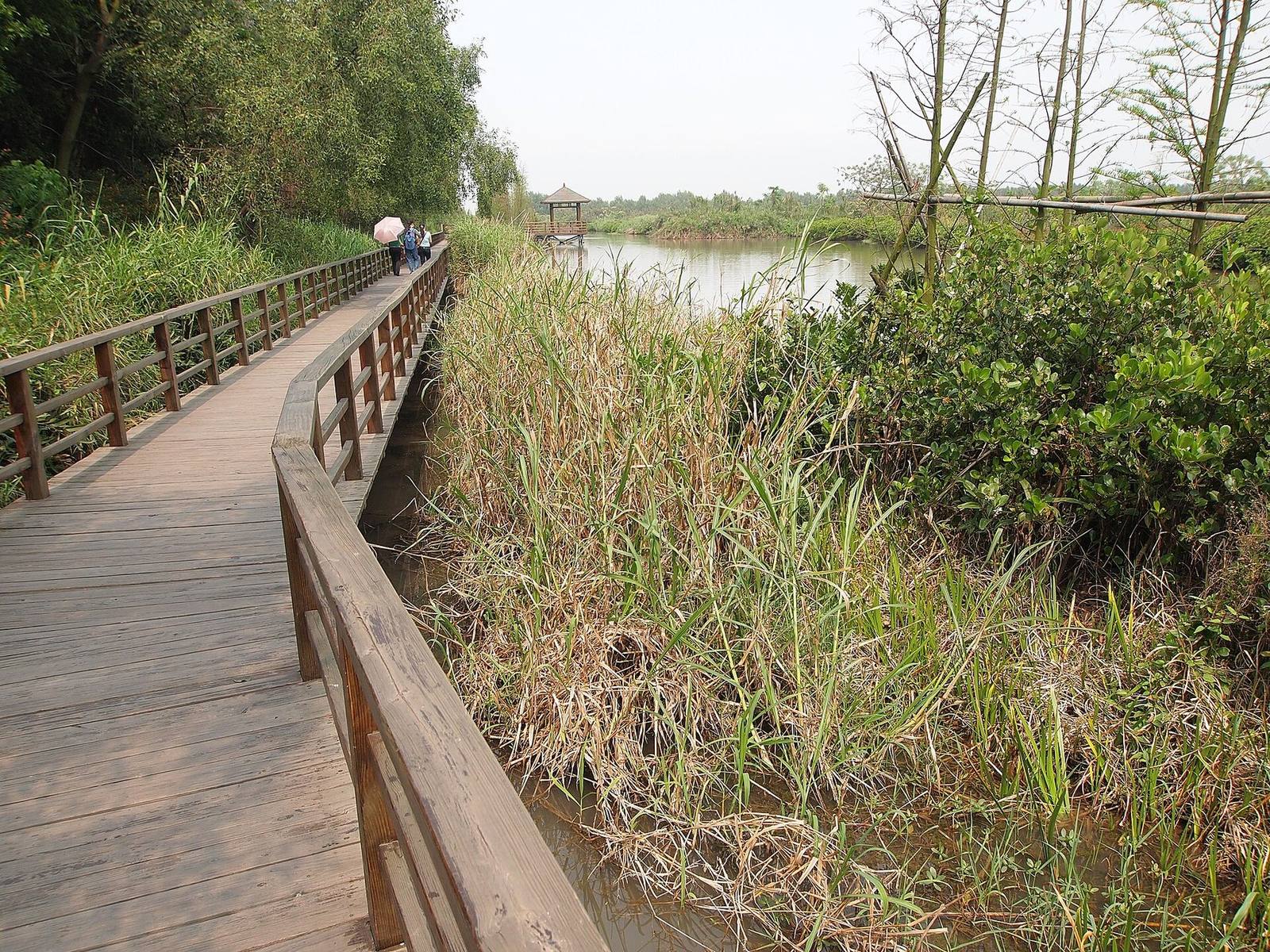
What will you photograph, and what will you be allowed to photograph? Official images of the company’s own workshop are still to be added to this public site. Do not fill the gap with someone else’s facility, and do not caption a stock photograph, or a Nansha roadside pond, as if it were the company’s hall. Honesty in pictures is part of honesty in a first report home.
How will you record the difference between what was shown, what was described, and what you hope for? A short note written the same evening, with that distinction, will be more valuable than a glossy internal presentation that blurs it. If your organisation needs a go/no-go recommendation, say what evidence would actually change your mind — a second visit, a trial of an instrument, a water analysis at home, a local energy study — and do not force the first visit to carry the whole decision.
A closing caution, and an invitation
Gulf water-scarce countries and Southeast Asian warm-water markets are named on this site as first-batch regions of interest, because the method and the species conversations fit, and because other firms have already been reported as active in some of those markets. Interest is not a completed delivery. No international certification is listed here, because none has been publicly verified for this company. A first visit is a chance to see practice, to ask the questions in this article, and to decide whether a second, more specific conversation is warranted.
If you come, come with your water analysis, your climate, your species, and your willingness to hear conservative answers. The workshop is there to be walked through. The most useful souvenir is a clearer list of what you still need to measure at home.
Questions that differ between the Gulf and Southeast Asia
A Gulf visitor will often need to spend more time on energy, desalination or well chemistry, cooling, and the political brief for food security. Land may be available in large parcels but poorly suited to earthen ponds because of salinity and evaporation. A complete indoor or greenhouse design may be more relevant than a wide pond-relay. Labour may be a mix of professional staff and contracted teams, with turnover that makes training and simple interfaces more important. Spare parts that must come through a port should be listed early. Arabic-language support, when it exists, should be asked about plainly; this public site offers an Arabic edition of the pages you are reading, which is a start, not a complete after-sales system.
A Southeast Asian visitor will often need to spend more time on how a recirculating stage could sit beside ponds that already exist, on monsoon hydrology and flooding, on local species and local feed, and on competition from nearby suppliers who already know the market’s price. Water may be more abundant than in the Gulf and still be of uneven quality. Disease history in surrounding farms may be the main reason for wanting a roof over a nursery. English, or a national language, may be the working language rather than Arabic. The same Nansha workshop can serve both conversations, if the visitors arrive with different dossiers and do not expect a single answer.
Both groups should ask about summer extremes, about the reliability of electricity, about the legal path for discharge, and about whether their organisation is prepared for a first year that is a learning year. Both should resist the urge to announce a giant capacity on the basis of a park investment figure they have just seen in a presentation, especially if that presentation was not this conservative site.
After you return, before you announce
Share your notes with someone who did not travel and who is allowed to be sceptical. Ask them to hunt for places where you have turned a hope into a fact. Recheck the public numbers on this site: the experimental volume, the tender figures, the launch date of Qiuhao, the company-stated identification bands, the absence of verified international certifications, and the absence of documented overseas deliveries. If your notes disagree with those public facts, find out why before you brief a minister or a board.
Commission the local studies that the visit could not replace: a water analysis, a tariff and climate energy sketch, a labour plan, a site survey for discharge, and, if instruments are of interest, a list of the parasites and algae that actually matter on your farms. When official contact details for Nansha are published, a second, narrower conversation can be requested. Until then, keep your prepared request, and do not invent a telephone number or an email address in order to seem further along than you are.
A first visit is the beginning of diligence, not the end of it. Gulf and Southeast Asian buyers who treat it that way will get more from Nansha, and will make fewer expensive mistakes at home. That is the only outcome this article is written to encourage.
Money, partners, and what not to promise at home
A first visit is sometimes funded as if it were already the first week of a construction project. Try to keep the two budgets apart. Travel, interpretation, a water analysis, and an energy sketch are diligence costs. Tanks, buildings, and long electricity contracts are project costs. Mixing them leads to a strange pressure to “make the trip worthwhile” by announcing a plant. A worthwhile trip is one that prevents a bad plant as much as one that prepares a good one.
Partners will be suggested, or will suggest themselves: local contractors, feed companies, universities, and other equipment firms. Some may be useful. None should be adopted on the airport road. If the public record of the Nansha company names Chinese cooperating organisations, those names are reported cooperation, not a ready-made consortium for your country. You will need your own legal and commercial advice before anyone is invited into a structure that spends public or private money.
Do not promise your home organisation a certification, a delivery date, or a species result that you did not see evidenced. Do not promise an Arabic or English training programme that has not been described in detail. Do not promise that a WeChat tool will serve your staff. The restraint on this site exists so that you can point to it when you write a cautious briefing. Use it. A careful first report is a form of respect for the workshop you have just walked through, and for the people who will have to live with whatever you recommend next.
If you take only one habit from this article, take the habit of writing questions down before you travel and of refusing to leave a hopeful blur in place of an answer. The rest of a good Gulf or Southeast Asian project — the engineering, the permits, the training — can only be built on that kind of note. Nansha can help you start the note. It cannot finish it for you.